
 Our Purpose
 Our Vision
 Core Value
 Meet Our Team
 Business Roadmap
 Industry Awards
 Recognized Event Agency
 As Seen On
 Trusted By The Global Fortune 500
 Corporate Event Account
 Project
 Marketing
 Creative
 HR & Finance
 Internship
 Sustainability
 United Nations Global Compact
 ESG Policy
 Projects
 FAQs
FAQs Strategy & Tips
 Newsletter
 eBook
eBook Events
 Branding & Marketing
 Conference Management
 Innovative Technology
 Creative Visual
 Production
Strategy & Tips
When to Hire an Event Planner vs DIY | a.c.e Guide
20 September 2026
When Should You Hire an Event Planner vs DIY?
Somewhere between chasing your fifth vendor quote and re-checking the seating chart for the third time, most people ask themselves the same question. Is this something I should really be handling alone? It's a fair question to ask. Corporate events carry real financial and reputational weight, and getting the call wrong on who runs the show can cost a lot more than a stressful few weeks.
This guide walks through when doing it yourself still makes sense, when it stops making sense, and what an event planner actually brings to the table once the stakes go up. At Above Creative Events (a.c.e), we work with Global Fortune 500 (GF500) companies, GLCs, MNCs and PLCs across Malaysia and Singapore, so we've seen this decision play out more times than we can count.
What "DIY" Really Means for a Corporate Event
In most companies, DIY event planning doesn't mean nobody is in charge. It means the job lands on someone whose actual title has nothing to do with events. According to a corporate planner breakdown from Cvent, a large share of corporate event organisers are what the industry calls occasional or part-time planners. Their job titles range from executive assistant to marketing manager, and event planning is something they take on as an add-on to their regular workload.
That setup works fine for a small internal gathering: a team briefing, a lunch for twenty people, a quarterly town hall with no outside guests. It gets a lot harder once you add multiple stakeholders, media or VIP attendance, or a programme that runs across more than a single day. That's usually the point where the question of bringing in a dedicated professional starts to feel less optional.
Signs It's Time to Bring In an Event Planner
Not every event needs a professional on the job. But a handful of signs point clearly toward hiring one. Here's what we'd flag if a client asked us.
The budget carries real financial risk
Corporate event budgets are under more pressure than they used to be. A recent PCMA industry outlook found that six in ten senior event professionals across technology, pharma, professional services and banking had their budgets cut this year, and only 18 percent felt confident they had the tools to assess risk ahead of time. When a wrong vendor choice or a missed contract clause could cost real money, that's usually when a dedicated planner earns their fee.
You don't have the time, or the headcount, to spare
Planning a proper conference or gala dinner takes up a significant chunk of a working week in the run-up to the event, on top of whatever else is on someone's plate. If that time has to come out of an existing job, something else usually slips.
The event reflects directly on your brand
A product launch, an AGM, or a signing ceremony in front of press and stakeholders isn't the place to learn on the job. The reputational cost of a stumble is almost always higher than the cost of getting help.
You're juggling more vendors than you can realistically track
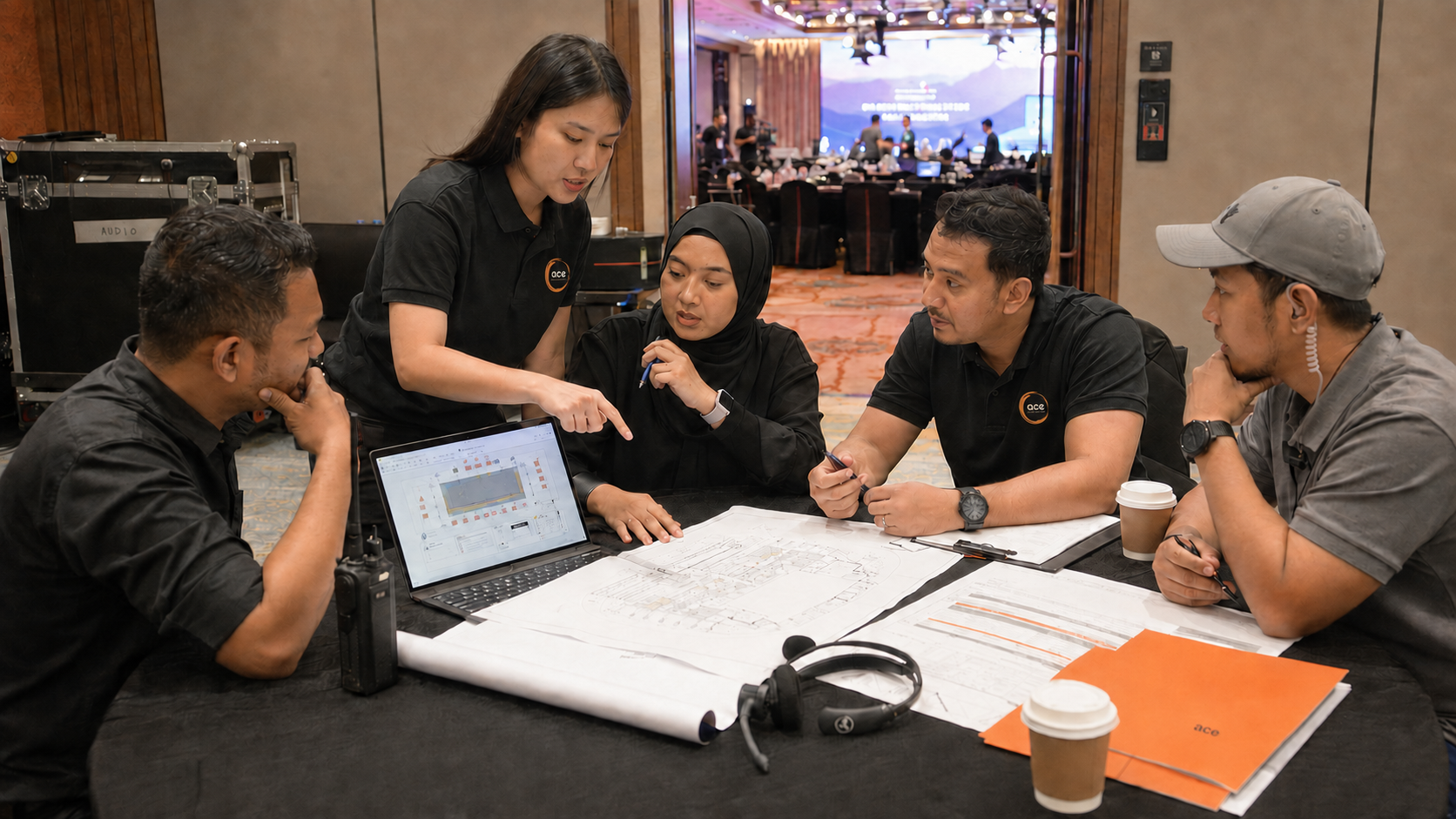
Venue, AV, catering, decor, security, transport. Each one is a separate contract and a separate point of failure. Coordinating all of them without a system built for it is where most DIY events start to unravel.
How a.c.e Approaches Event Planning at Scale

When we take on a project, we run it through five stages: Initial Inquiry, Event Shaping, Pre-Event, Setup & Event Day, and Post-Event. Each stage exists to catch problems before they reach the client, not after. It starts with a short consultation to understand what you actually need, moves into a full proposal covering budget and logistics, and only locks in once everyone agrees on the plan.
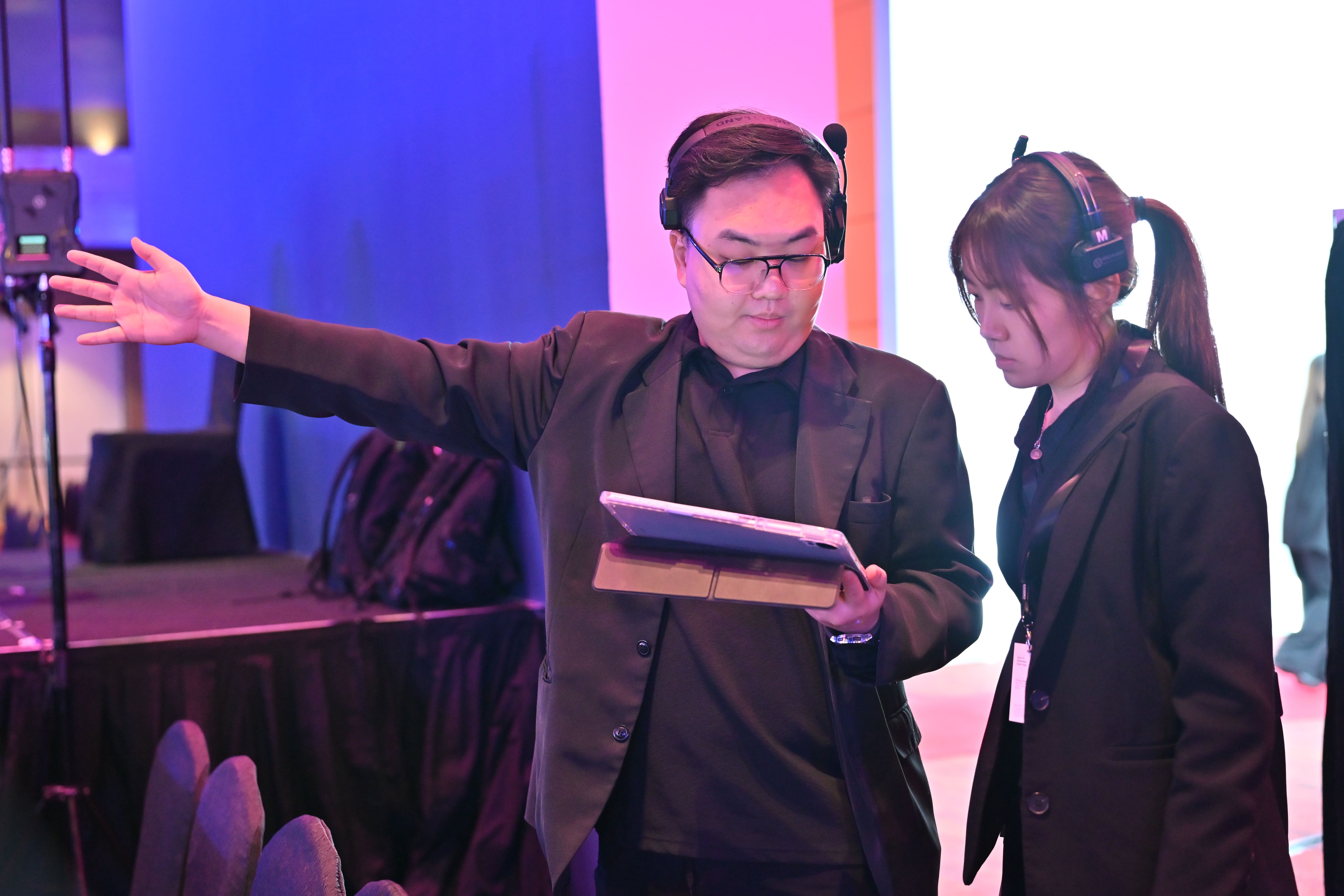
We don't run production in-house. What we do instead is manage a trusted network of vendors and suppliers on your behalf, so you're dealing with one point of contact instead of five separate parties chasing you for sign-off. That's a big part of what a good event planner actually does. Not handling every task personally, but making sure nothing falls through the gaps between people who each own one piece of the event.
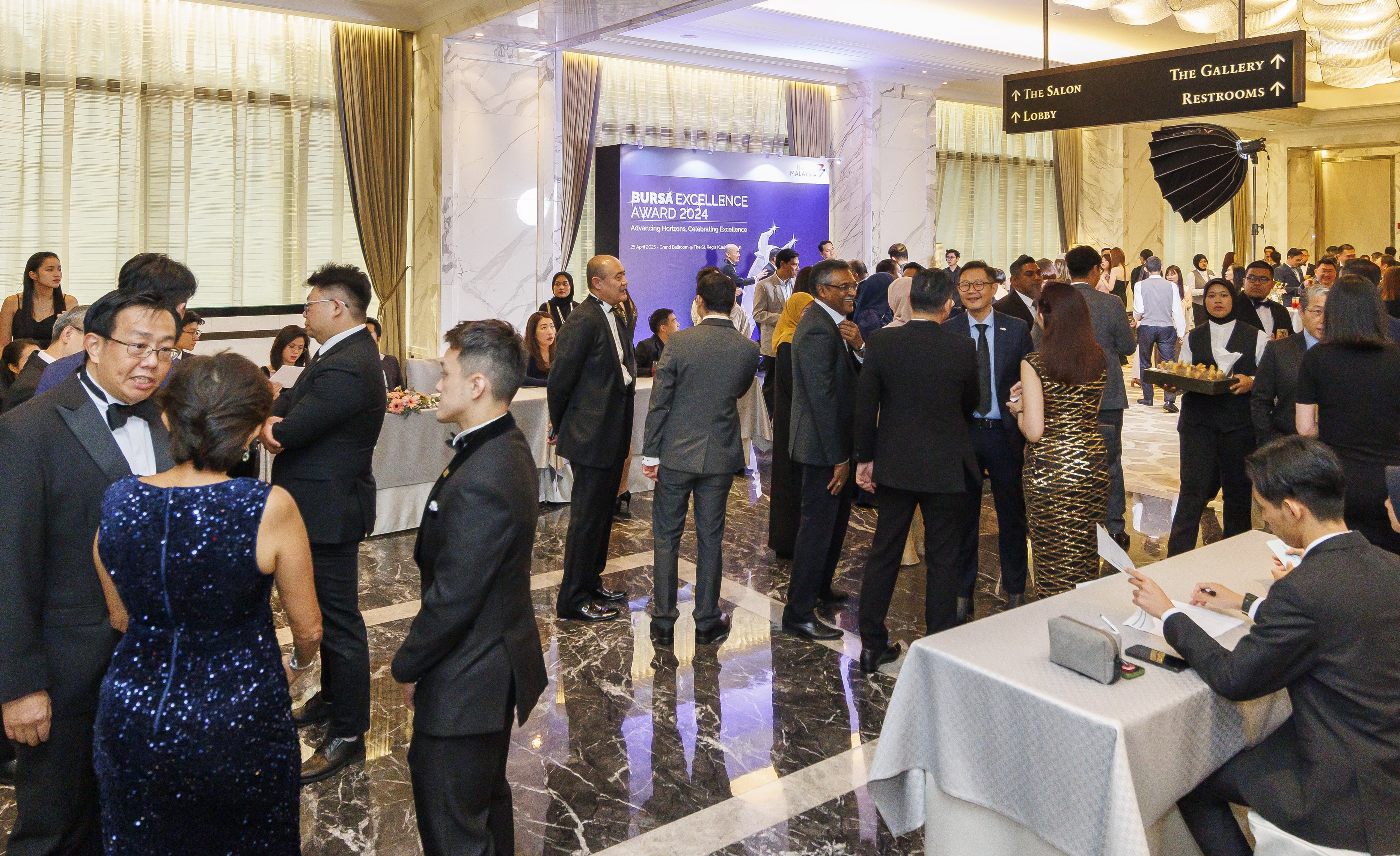
It's also why our corporate event services cover everything from AGMs and product launches to gala dinners and exhibitions, and why our project portfolio includes work for GF500 companies, GLCs, MNCs and PLCs across the region. If you want a sense of the calibre of clients who've already made that call, our credentials page has the detail.
Frequently Asked Questions
1. How do I know if my event is too complex to plan myself?
If you're coordinating more than three vendors, expecting VIP or media attendance, or running a programme over multiple days, it's worth having a conversation with a professional before committing to DIY.
2. What does a corporate event planner actually do that an internal team can't?
A good planner brings existing vendor relationships, a tested process, and the bandwidth to manage logistics full time. Those are three things an internal team juggling other responsibilities usually can't match.
3. Is hiring an event planner worth it for a smaller event?
For a small internal gathering, probably not. For anything involving external stakeholders, a fixed budget, or reputational stakes, the cost of a planner is usually smaller than the cost of a mistake.
4. How far in advance should I bring in a planner?
Ideally three to six months out for a mid-size event, and up to a year for a large conference or multinational gathering. The earlier a planner is involved, the more room there is to negotiate good vendor terms.
5. Does a.c.e only handle large multinational events, or can smaller teams work with them too?
We work across a wide range of event sizes, from single-day conferences to multi-day gala programmes. The best way to find out if we're a fit is to get in touch and talk through what you're planning.
Making the Right Call for Your Next Event
There's no single right answer to hiring an event planner versus going DIY. It depends on the size of the event, what's riding on it, and how much time your team actually has to spare.
What we'd say, having run this exact playbook for corporate clients across the region: the moment an event starts to feel bigger than your team's capacity, that's the moment to bring in help. Before the gaps start to show, not after.
The right event planner doesn't just take tasks off your plate. They take the risk off it too.
If you're weighing that decision right now, reach out to a.c.e and we'll tell you honestly whether DIY could still work for what you have in mind.
About Above Creative Events (a.c.e)
a.c.e is the 1st Certified B Corp Corporate Event Agency in Southeast Asia, meeting B Lab's integrated social, environmental, and governance standards.
a.c.e is also an award-winning events agency specialising in conferences, leadership summits, corporate townhalls and large-scale multinational events. Since 2007, a.c.e has been known as the "Magic Makers", combining creative ideas with disciplined execution to bring events to life for GF500, GLCs, MNCs and PLCs. We transform imagination into reality so that our clients can strengthen their brand and amplify their market presence.
If you need any service in any aspect of event planning, drop us a message or an email. Visit our website to know more!



Let's Talk