
 Our Purpose
 Our Vision
 Core Value
 Meet Our Team
 Business Roadmap
 Industry Awards
 Recognized Event Agency
 As Seen On
 Trusted By The Global Fortune 500
 Corporate Event Account
 Project
 Marketing
 Creative
 HR & Finance
 Internship
 Sustainability
 United Nations Global Compact
 ESG Policy
 Projects
 FAQs
FAQs Strategy & Tips
 Newsletter
 eBook
eBook Events
 Branding & Marketing
 Conference Management
 Innovative Technology
 Creative Visual
 Production
Strategy & Tips
What Are the 5 P's of Event Planning? A Guide for Event Planner
4 June 2026
What Are the 5 P's of Event Planning? A Guide for Event Planner
Event planning may look simple from the outside, but behind every successful corporate event is a carefully structured process. From defining the objective to managing guests, selecting the right venue, coordinating the programme, and promoting the event effectively, every detail matters.
This is where the 5 P’s of event planning come in. They provide a practical framework that helps organisers and businesses plan events with clarity, purpose, and control. Whether you are planning a corporate conference, product launch, annual dinner, seminar, leadership summit, or business networking event, understanding the 5 P’s can help create a smoother and more impactful experience.
For any professional event planner, these 5 P’s are not just a checklist. They are the foundation of strategic event management, helping every decision align with the event’s objective, audience expectations, brand message, and business goals.

The 5 P’s Guide for Event Planner Success
The 5 P’s of event planning are Purpose, People, Place, Programme, and Promotion. Each element plays an important role in shaping the success of an event.
In a corporate context, the role of an event planner goes beyond booking suppliers or arranging decorations. A professional planner must understand business objectives, stakeholder expectations, audience flow, technical requirements, brand experience, guest comfort, risk management, and post-event value.
For businesses in Malaysia, especially companies organising high-profile corporate events, the 5 P’s provide a reliable structure. They help teams avoid scattered planning and ensure that each decision supports the wider event outcome.
Above Creative Events supports corporate clients with creative and technical expertise, delivering events through structured planning, strong on-ground organisation, and professional execution.
1. Purpose: Why Is the Event Being Held?
The first P is Purpose. Before planning any event, the organiser must clearly define why the event is being held. Is the goal to launch a new product, strengthen stakeholder relationships, educate employees, celebrate achievements, generate leads, or improve brand positioning?
Without a clear purpose, an event can become visually impressive but strategically weak. A strong purpose guides every decision, including the event format, guest list, venue, content, budget, creative direction, and measurement of success.
A professional event planner will always begin by understanding the client’s objectives. This ensures the event is not only well-organised but also meaningful, measurable, and aligned with business goals.
2. People: Who Is the Event For?
The second P is People. Every successful event is designed around its audience. This includes guests, speakers, VIPs, sponsors, internal teams, media representatives, vendors, and stakeholders.
Each group may have different needs and expectations. Senior management may expect a polished and professional experience. Guests may value smooth registration, clear wayfinding, comfortable seating, and engaging content. Speakers may require proper briefing, technical support, and stage confidence. Sponsors may need visibility and networking opportunities.
When an event planner understands the people involved, the event becomes more intentional. Guest journey mapping, registration flow, hospitality planning, accessibility, communication, and seating arrangements can all be designed more effectively.
This is especially important for corporate events where guest experience directly reflects the company’s brand image.
3. Place: Where Will the Event Happen?
The third P is Place. Venue selection is one of the most important decisions in event planning. The venue should support the event’s purpose, audience size, technical needs, accessibility, and overall brand impression.
A beautiful venue may not be suitable if it creates logistical challenges, poor crowd flow, limited parking, weak internet connection, or insufficient technical support. A good event planner will assess more than how a venue looks.
Important considerations include layout flexibility, backstage access, loading areas, registration space, AV setup, safety requirements, VIP holding rooms, breakout rooms, and emergency access.
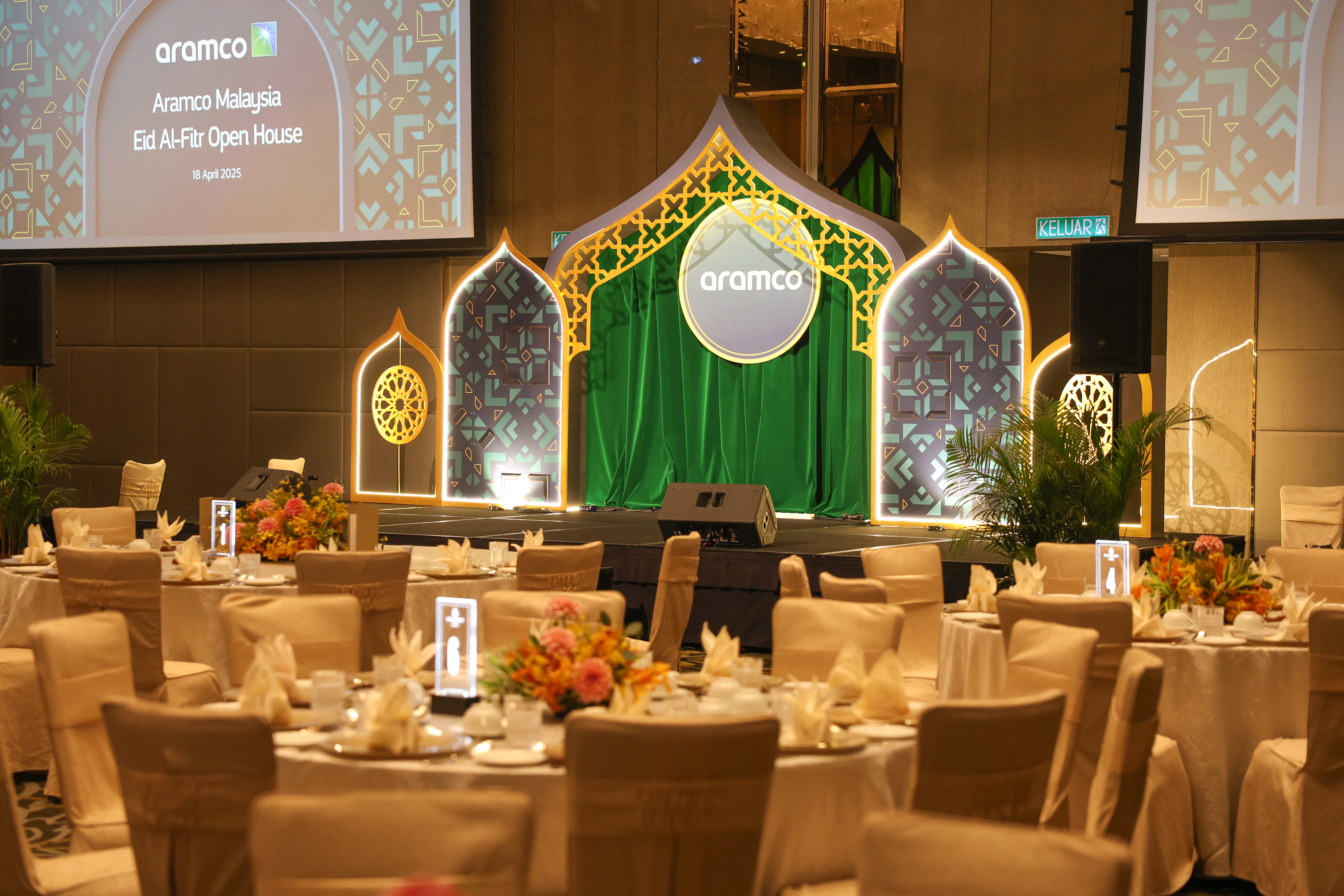
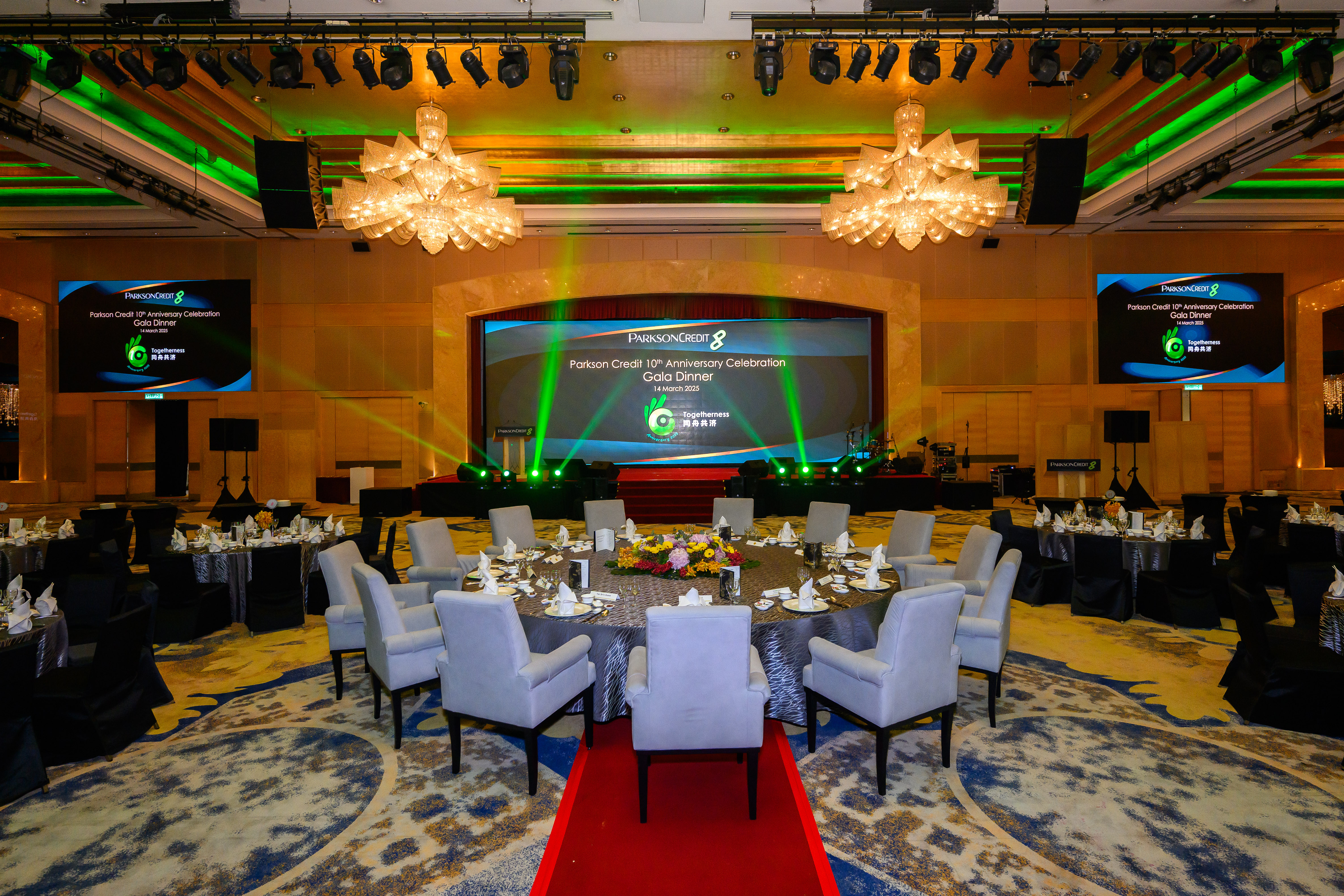
For corporate events, the right place can elevate credibility and create a premium first impression. A conference venue should support professional networking and focused learning, while a gala dinner venue should allow elegant staging, lighting, entertainment, and smooth guest movement.

4. Programme: What Will Happen During the Event?
The fourth P is Programme. This refers to the full event flow, agenda, timing, activities, speeches, entertainment, transitions, and guest experience.
A strong programme is not only about filling time. It is about creating rhythm, energy, clarity, and engagement from start to finish. A corporate conference may include opening remarks, keynote sessions, panel discussions, networking breaks, breakout sessions, and closing remarks. A product launch may involve brand storytelling, launch gimmicks, product demonstrations, media interaction, and entertainment.
A professional event planner will prepare a detailed programme timeline and rundown. This helps align the client, emcee, speakers, technical crew, performers, vendors, and on-ground team.
A strong programme also requires preparation for unexpected changes. The Events Industry Council Risk Management Guidebook explains that event risk management includes assessing risks that may affect attendees, the event, organisers, or partner suppliers, then applying suitable measures to manage those risks.
This is why experienced event teams focus heavily on rehearsals, cue sheets, briefing documents, and communication channels.
5. Promotion: How Will People Know and Engage?
The fifth P is Promotion. Even a well-planned event needs the right communication strategy to attract, inform, and engage the audience.
Promotion may include invitation emails, social media posts, event microsites, digital ads, media announcements, registration reminders, internal communications, and post-event content. For corporate events, promotion is not only about attendance. It is also about building anticipation, reinforcing brand positioning, and extending the event’s impact beyond the physical day.
An experienced event planner will work with the client to ensure communication is aligned with the event objective. A leadership summit may require a more professional and authority-driven tone, while a brand activation may use a more exciting and engaging approach.
Promotion also continues after the event. Highlight videos, event photos, media coverage, testimonials, and impact reports can help maximise the value of the event.
Why the 5 P's Matter in Corporate Event Planning
The 5 P’s matter because they turn event planning from a scattered process into a structured strategy. Instead of making decisions randomly, businesses can use Purpose, People, Place, Programme, and Promotion as a guide.
For an event planner, this framework ensures that every detail has a reason behind it. The venue supports the audience. The programme supports the purpose. The promotion supports attendance and engagement. The guest experience supports the brand.
At Above Creative Events, corporate events are treated as purposeful experiences that help companies build visibility, influence, stakeholder confidence, and memorable engagement. Businesses can explore the types of events handled through the Above Creative Events events page.
How Above Creative Events Supports Corporate Event Planning
We support clients across conferences, corporate meetings, AGMs, launches, annual dinners, gala dinners, exhibitions, roadshows, team building events, and virtual or hybrid experiences.
As an award-winning corporate events agency in Malaysia, our team combines creative ideas with disciplined execution. The agency is known for transforming visions into world-class experiences through strategic planning, technical management, and strong on-ground coordination.
Frequently Asked Questions
1. What are the 5 P's of event planning?
The 5 P's of event planning are Purpose, People, Place, Programme, and Promotion. These five elements help organisers plan events with clearer objectives, smoother execution, and stronger audience engagement.
2. Why are the 5 P's important for an event planner?
The 5 P's help an event planner organise every major part of an event strategically. They ensure the event has a clear goal, the right audience experience, a suitable venue, a strong programme, and effective promotion.
3. How does Purpose affect event planning?
Purpose defines the reason behind the event. It influences the event concept, budget, venue, programme, guest list, branding, and measurement of success. Without purpose, an event may lack direction.
4. What should businesses consider when choosing an event venue?
Businesses should consider location, capacity, accessibility, layout, technical facilities, parking, safety, guest flow, and whether the venue supports the event's brand image and objectives.
5. Should I hire a professional event planner for a corporate event?
Yes, hiring a professional event planner can help reduce stress, improve coordination, manage risks, and ensure a more polished guest experience. This is especially important for corporate events involving VIPs, stakeholders, sponsors, or large audiences.
Conclusion: Plan With Purpose, Execute With Precision
The 5 P's of event planning are a simple yet powerful framework for creating successful events. Purpose gives direction. People shape the experience. Place creates the environment. Programme drives engagement. Promotion extends the impact.
When these five elements work together, an event becomes more than just a gathering. It becomes a meaningful brand experience.
At Above Creative Events, we help businesses plan and execute corporate events with creativity, precision, and strategic understanding. Whether you are organising a conference, product launch, gala dinner, AGM, seminar, or large-scale corporate event, our team is ready to bring your vision to life.
Partner with an experienced event planner and turn your next event into an experience your guests will remember.
About Above Creative Events (a.c.e)
a.c.e is the 1st Certified B Corp Corporate Event Agency in Southeast Asia, meeting B Lab's integrated social, environmental, and governance standards.
a.c.e is also an award-winning events agency specialising in conferences, leadership summits, corporate townhalls and large-scale multinational events. Since 2007, a.c.e has been known as the "Magic Makers", combining creative ideas with disciplined execution to bring events to life for GF500, GLCs, MNCs and PLCs. We transform imagination into reality so that our clients can strengthen their brand and amplify their market presence.
If you need any service in any aspect of event planning, drop us a message or an email. Visit our website to know more!



Let's Talk